# 修改用户密码 ALTER USER supabase_admin WITH PASSWORD 'postgres'; ALTER USER supabase_auth_admin WITH PASSWORD 'postgres'; ALTER USER supabase_storage_admin WITH PASSWORD 'postgres'; ...
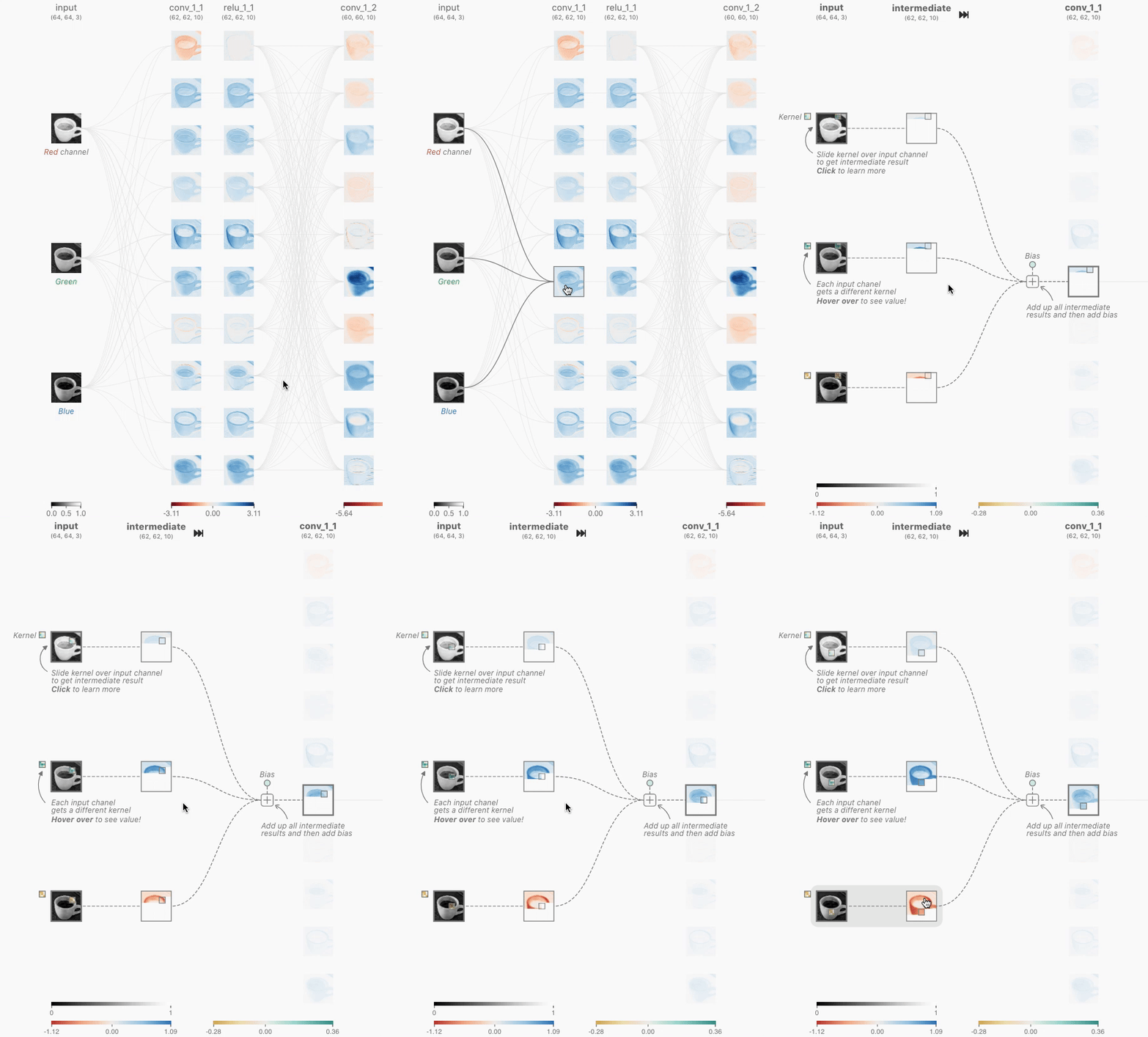
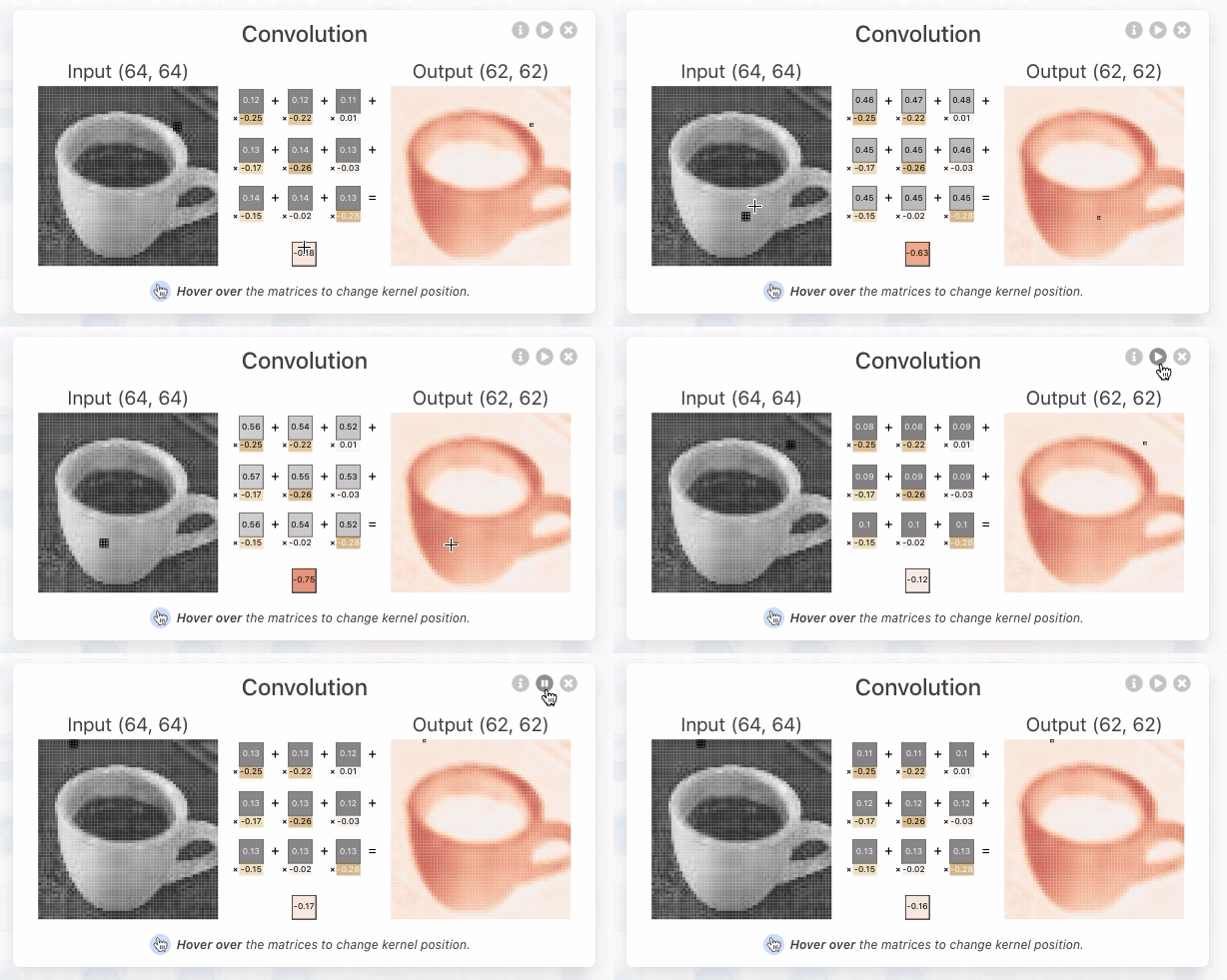
Figure 1. As you hover over the activation map of the topmost node from the first convolutional layer, you can see that 3 kernels were applied to yield this activation map. After clicking this activation map, you can see the convolution operation occuring with each unique kernel.
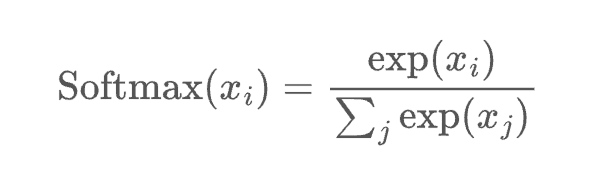
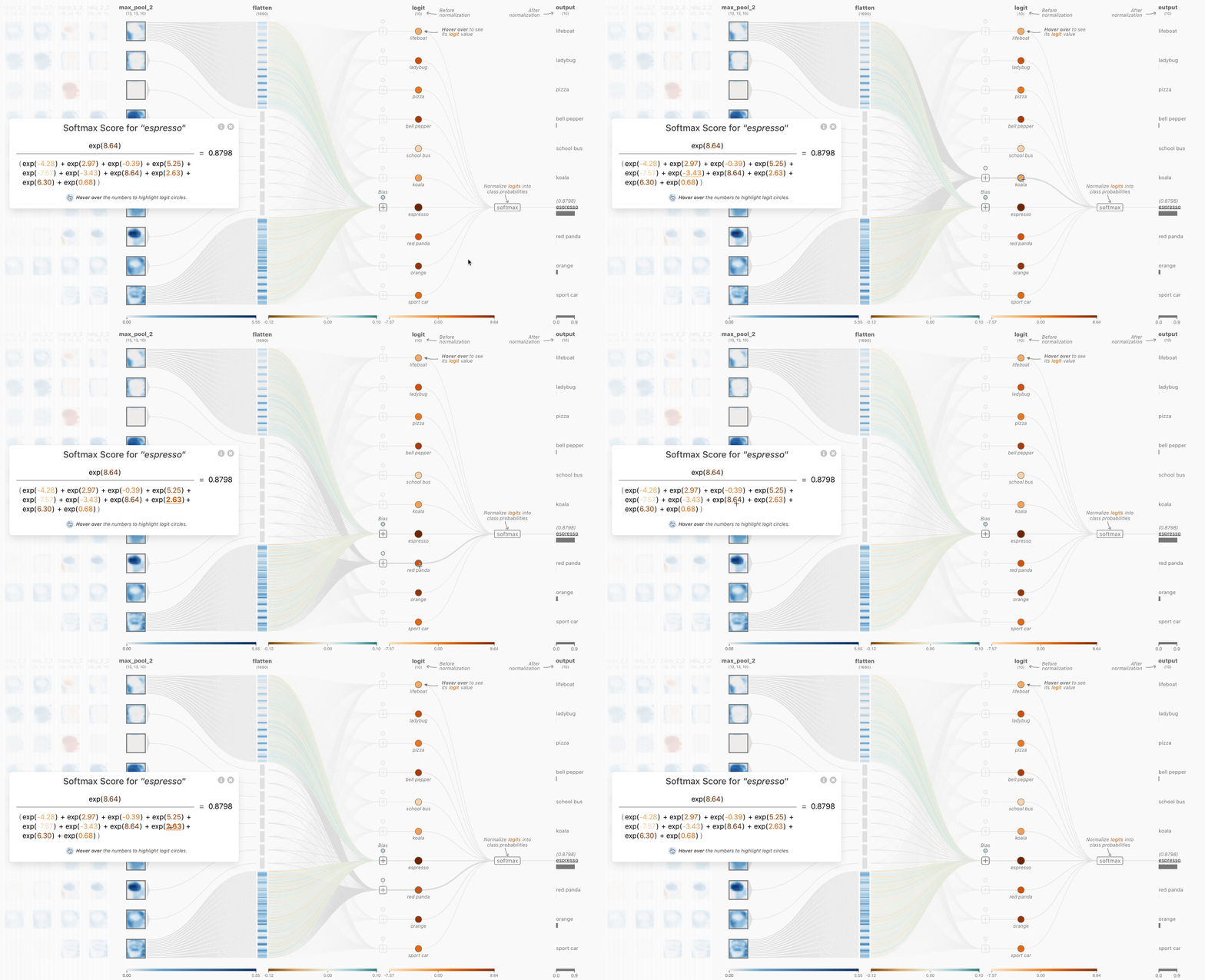
也许你会想到标准归一化和softmax之间的区别——毕竟,它们都将logits重新缩放到0到1之间。请记住,反向传播是训练神经网络的关键方面——我们希望正确答案具有最大的“信号”。通过使用softmax,我们实际上是在“近似”argmax,同时获得了可微性。重新缩放不会使最大值比其他logits显著地更高,而softmax会。简而言之,softmax是一个“更柔和”的argmax。 Figure 4. The Softmax Interactive Formula View allows a user to interact with both the color encoded logits and formula to understand how the prediction scores after the flatten layer are normalized to yield classification scores.
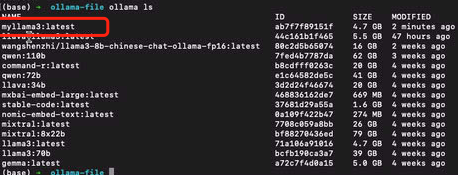
使用 ollama show 命令生成 Modelfile:ollama show llama3:8b --modelfile > myllama3.modelfile
Modelfile 的内容如下所示:
1 2 3 4 5 6 7 8 9
# Modelfile generated by "ollama show" # To build a new Modelfile based on this, replace FROM with: # FROM llama3:latest
FROM /Users/yourname/.ollama/models/blobs/sha256-00e1317cbf74d901080d7100f57580ba8dd8de57203072dc6f668324ba545f29 TEMPLATE "{{ if .System }}{{ .System}}{{ end }}"{{ if .Prompt }}{{ .Prompt}}{{ end }}"{{ .Response }}"
PARAMETER stop "reserved_special_token" LICENSE "META LLAMA 3 COMMUNITY LICENSE AGREEMENT"
例举一些其他模型的modelfile模板:
mixtral
1 2 3 4 5 6
FROM /Users/user/data/ollama-file/models/MiniCPM-Llama3-V-2_5/model/model-Q4_K_M.gguf TEMPLATE [INST] {{ if .System }}{{ .System }} {{ end }}{{ .Prompt }} [/INST] PARAMETER stop [INST] PARAMETER stop [/INST] LICENSE """ Apache License Version 2.0, January 2004 """
LICENSE """ Apache License Version 2.0, January 2004 """
other
1 2 3 4 5 6 7 8 9 10 11 12 13 14
FROM /Users/user/.ollama/models/blobs/sha256-eb569aba7d65cf3da1d0369610eb6869f4a53ee369992a804d5810a80e9fa035 TEMPLATE "{{ if .System }}<|start_header_id|>system<|end_header_id|>
{{ .System }}<|eot_id|>{{ end }}{{ if .Prompt }}<|start_header_id|>user<|end_header_id|>
{{ .Prompt }}<|eot_id|>{{ end }}<|start_header_id|>assistant<|end_header_id|>
You are a scientific research paper reviewer, skilled in writing high-quality English scientific research papers. Your main task is to accurately and academically translate Chinese text into English, maintaining the style consistent with English scientific research papers. Users are instructed to input Chinese text directly, which will automatically initiate the translation process into English.
## Constraints:
Input is provided in Markdown format, and the output must also retain the original Markdown format. Familiarity with specific terminology translations is essential.
## Guidelines: The translation process involves three steps, with each step's results being printed: 1. Translate the content directly from Chinese to English, maintaining the original format and not omitting any information. 2. Identify specific issues in the direct translation, such as non-native English expressions, awkward phrasing, and ambiguous or difficult-to-understand parts. Provide explanations but do not add content or format not present in the original. 3. Reinterpret the translation based on the direct translation and identified issues, ensuring the content remains true to the original while being more comprehensible and in line with English scientific research paper conventions.
## Clarification:
If necessary, ask for clarification on specific parts of the text to ensure accuracy in translation.
## Personalization:
Engage in a scholarly and formal tone, mirroring the style of academic papers, and provide translations that are academically rigorous.
## Output format:
Please output strictly in the following format
### Direct Translation {Placeholder}
***
### Identified Issues {Placeholder}
***
### Reinterpreted Translation {Placeholder}
Please translate the following content into English:

 时,使用颜色标尺显示详细信息(在这一层和其他层上)。